Introduction
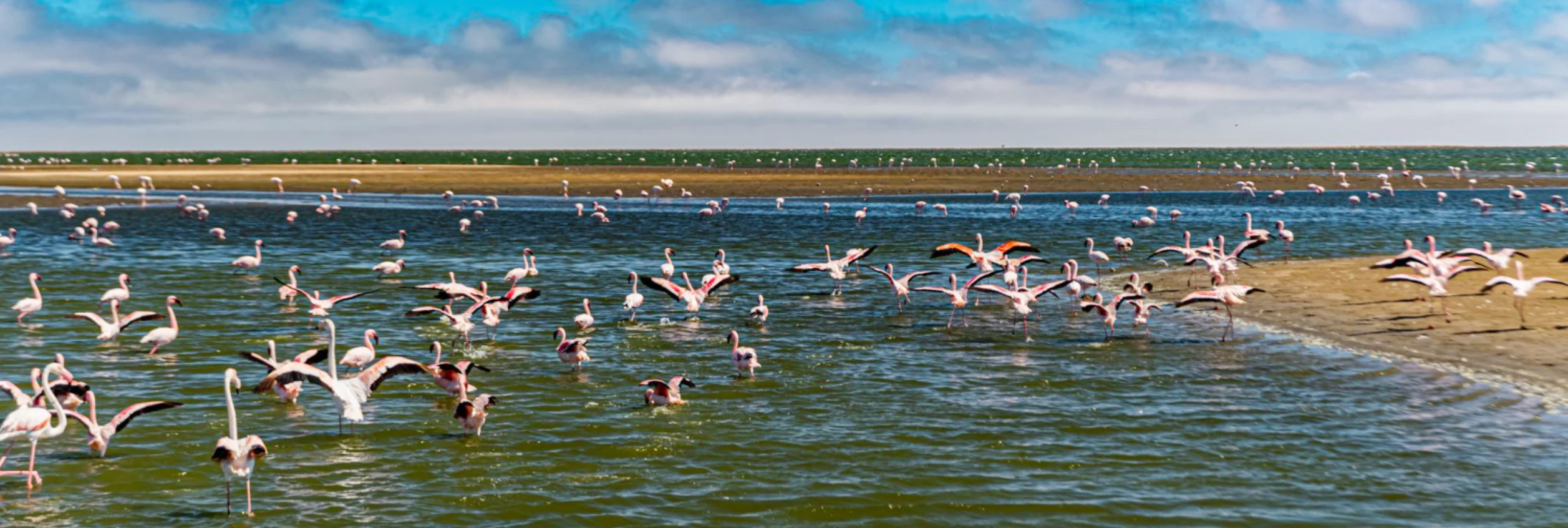
Sambhar is a town deeply rooted in history, culture, and trade traditions. Known primarily for its salt lake, the town has played an important role in Rajasthan’s economy for centuries.
Today, Sambhar offers visitors a chance to explore a unique blend of historical heritage and rural culture.
Sambhar and the Silk Route
During ancient times, Sambhar was an important stop along trade routes connecting Jaipur and Jaisalmer. Merchants traveling across the desert often stopped here to exchange goods, especially salt.
Historical records mention that more than 600 salt traders once operated in Sambhar.
The Story of Lakhi Banjara
One of the most famous legends associated with Sambhar is that of Lakhi Banjara, a trader known for his massive camel caravans. His songs and stories are still part of Sambhar’s cultural traditions.
Sambhar Under Royal and British Rule
In the early 18th century, the lake was jointly controlled by the kingdoms of Jaipur and Marwar. Later in 1870, the lake was leased to the British, who developed large-scale salt production systems.
Many of the railway tracks and salt wagons used today still reflect this colonial legacy.
Experiencing Sambhar Today
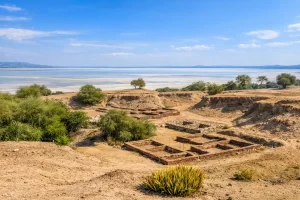
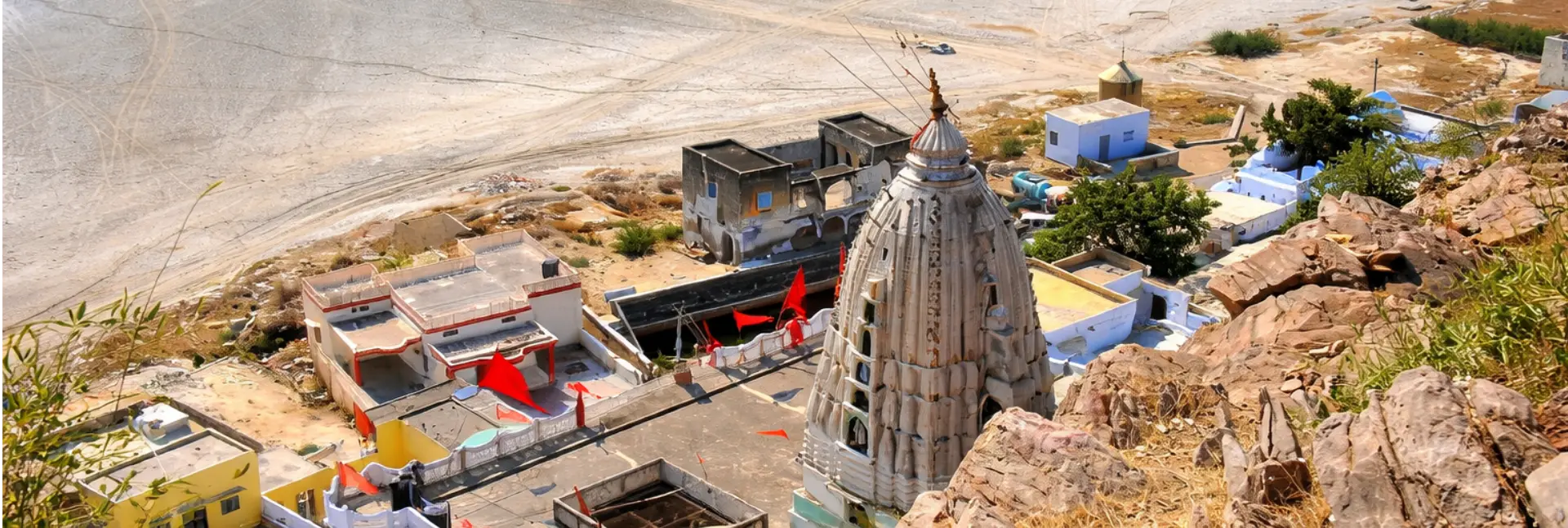
Modern travelers visit Sambhar not only for the lake but also for its heritage temples, traditional villages, and cultural stories.